
5V vs. 7.4V vs. 12V Heated Products: How to Choose the Right Heating System
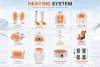
5V vs. 7.4V vs. 12V Heated Products: How to Choose the Right Heating System
Choosing the right heating system is one of the most important decisions when developing heated wearables and heated accessories.
For brands, importers and product developers, voltage selection affects more than just heating performance. It also influences battery configuration, product weight, runtime, charging methods, user experience and overall product design.
Among the most commonly used power configurations in heated products are 5V, 7.4V and 12V systems.
But which one is right for your product?
As an experienced heated products OEM/ODM manufacturer, Eigday Heating works with different heating configurations to meet the needs of various product categories and market applications.
Let's explore the key differences.
1. 5V Heating Systems: Portable and USB-Powered Applications
5V heating systems are commonly used in compact heated accessories and products designed around USB power sources.
They are particularly suitable for applications where convenient power access and simple operation are important.
Typical applications include:
-
Heated cushions
-
Heated blankets
-
Heated pillows
-
Portable heating accessories
-
Selected lightweight heated products
Key advantages:
-
Compatible with suitable USB power sources
-
Convenient portable power solutions
-
Flexible integration into compact products
-
Suitable for selected low-power heating applications
For product developers, the key consideration is matching the heating element's wattage with the available USB power output and the product's intended heating area.
2. 7.4V Heating Systems: A Versatile Solution for Heated Wearables
7.4V rechargeable battery systems are widely used in heated wearable products.
They offer a practical balance between power output, battery capacity and portability, making them suitable for products that require independent power without being connected to a vehicle.
Typical applications include:
-
Heated gloves
-
Heated ski gloves
-
Heated socks
-
Heated vests
-
Heated jackets
-
Heated liners
Key advantages:
-
Rechargeable battery-powered operation
-
Flexible heating zone configurations
-
Multiple temperature settings
-
Integration with smart temperature controls
-
Portable design for outdoor activities
For example, selected Eigday Heating heated vest configurations use a 7.4V/13W carbon fiber heating system with five heating zones, powered by a dedicated 6000mAh lithium-polymer battery.
This configuration is designed to provide targeted warmth across key body areas while balancing battery capacity and wearing comfort.
For brands developing heated apparel, 7.4V systems provide considerable flexibility in battery integration, heating layout and product customization.
3. 12V Heating Systems: Designed for Motorcycle and Vehicle-Connected Applications
12V heating systems are commonly selected for motorcycle heated gear and other applications designed around vehicle power systems.
Unlike independent rechargeable battery-powered products, vehicle-connected heating solutions can be designed to draw power from a compatible 12V electrical supply.
Typical applications include:
-
Heated motorcycle gloves
-
Heated motorcycle jackets
-
Heated motorcycle trousers
-
Motorcycle heated liners
-
Vehicle-connected heated apparel
Key advantages:
-
Integration with compatible vehicle power systems
-
Suitable for motorcycle-specific heating applications
-
Flexible heating configurations
-
Potential for coordinated multi-piece heated gear systems
However, developing a 12V heating product requires careful consideration of electrical compatibility, power consumption, wiring, connectors and protective circuits.
For motorcycle brands, the entire electrical system should be evaluated as part of the product development process.
4. 5V vs. 7.4V vs. 12V: What's the Difference?
Here is a quick comparison to help brands and product developers understand the three power configurations.
| Comparison | 5V System | 7.4V System | 12V System |
|---|---|---|---|
| Power source | USB power source | Rechargeable battery | 12V vehicle supply or compatible battery |
| Typical products | Cushions, blankets, pillows | Gloves, socks, vests, jackets | Motorcycle heated gear |
| Portability | USB-powered | Highly portable | Depends on power configuration |
| Main focus | Convenient power access | Wearable heating and battery integration | Vehicle power integration |
| Development focus | USB output and heating wattage | Battery capacity and heating control | Electrical compatibility and power management |
Important: Higher voltage does not automatically mean higher heating temperature or longer runtime.
Actual heating performance depends on several factors, including heating element resistance, power output, battery capacity, heating area, insulation and temperature control strategy.
The right system should always be selected according to the complete product design.
5. What Should Brands Consider Before Choosing a Heating System?
Before starting an OEM or ODM heated product project, we recommend evaluating five important factors.
1. Product Application
Identify how and where the product will be used.
A heated ski glove, a motorcycle jacket and a heated cushion have very different requirements for power supply, heating coverage and user operation.
2. Heating Power and Coverage
Consider the required heating wattage, heating element material and placement.
A well-designed heating layout should focus on the areas where warmth is most needed while maintaining wearing comfort.
3. Battery Capacity and Runtime
For battery-powered products, battery capacity, output characteristics, product weight and expected runtime should be considered together.
A larger battery does not always mean a better product if it makes the wearable uncomfortable.
4. Temperature Control and Safety
Temperature control is an important part of the overall heating solution.
Depending on the product, different control options may include:
-
Three-level temperature adjustment
-
Bluetooth APP control
-
Independent heating zone control
-
Battery status indication
-
Low-battery protection
5. Manufacturing and Customization
The heating system must work together with the product's materials, construction, wiring layout and intended market requirements.
Working with an experienced heated products manufacturer early in the development process can help reduce design adjustments and improve production readiness.
6. Why Choose Eigday Heating for Your Heated Product Development?
At Shenzhen Eigday Heating Limited, we specialize in the development and manufacturing of heated wearable products and heated accessories.
Our product range covers:
-
Heated Gloves
-
Heated Socks
-
Heated Clothing
-
Heated Motorcycle Gear
-
Heated Cushions
-
Heated Blankets
-
Heated Pillows
-
Other Customized Heated Products
With integrated heating technology, battery solutions, temperature control systems and OEM/ODM development capabilities, we help brands turn product concepts into market-ready heated products.
Our approach focuses on more than supplying heating components. We consider the complete product system, from heating element selection and power configuration to product construction and mass production.
Whether you are developing a new heated glove collection, upgrading an existing heated apparel line or exploring a new heated accessory category, choosing the right heating architecture is the first step.
Looking for a reliable heated products manufacturer?
Let's discuss your next project.
Eigday Heating – Your OEM/ODM Partner for Heated Products.
🌐 Website: www.eigdayheating.com
📩 Contact our team for product development, customization and wholesale inquiries.